Table of Contents
How Ancient Healing Practices Shaped Modern Massage Therapy??
Introduction:
Why Massage Therapy Has Survived for Thousands of Years??
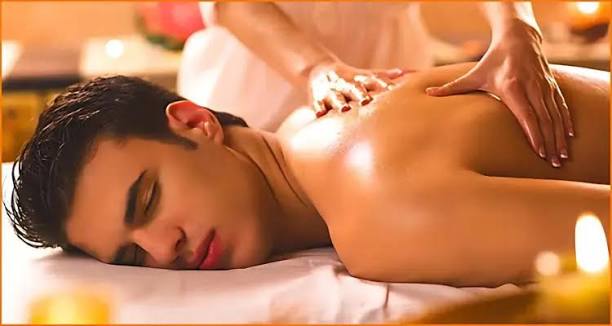
Massage therapy is one of the oldest healing methods known to humanity. Long before modern hospitals, medicines, and advanced medical technology, people used therapeutic touch to reduce pain, relieve stress, improve recovery, and promote overall health.
Across different civilizations—including India, China, Egypt, Greece, and Rome—various forms of massage developed independently. Despite cultural differences, these societies reached a similar conclusion: skilled touch can influence both physical and mental well-being.
Today, modern science is beginning to explain why massage therapy has remained relevant for thousands of years. Research suggests that massage affects the nervous system, circulation, muscles, fascia, stress hormones, and even emotional health.
This article explores the history of massage, the science behind therapeutic touch, and the reasons massage therapy continues to play an important role in modern healthcare.
The History of Massage: A Journey Through Ancient Civilizations
Ancient India and the Origins of Therapeutic Massage
Among the oldest documented healthcare systems in the world, Ayurveda holds a special place in the history of massage therapy.
Classical Ayurvedic texts describe Abhyanga, a therapeutic oil massage that forms part of a broader healthcare system including diet, herbal medicine, preventive care, surgery, and lifestyle management.
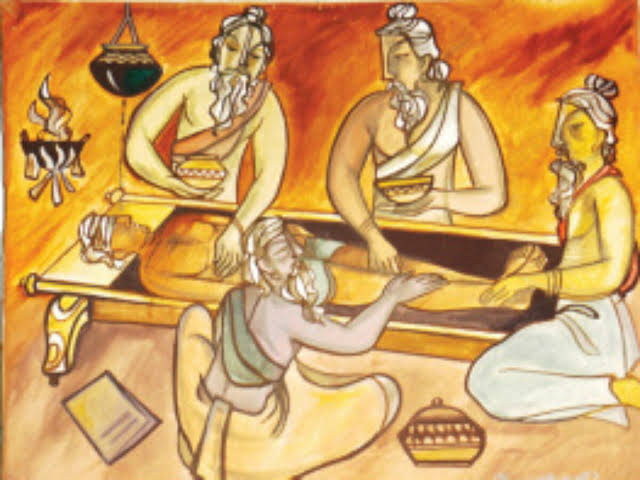
Rather than treating massage as a simple relaxation technique, Ayurvedic physicians viewed therapeutic touch as a method for supporting longevity, improving sleep, nourishing tissues, enhancing circulation, and maintaining balance within the body.
Many historians consider Ayurveda one of the oldest continuously practiced systems of medicine.
Ancient China and the Development of Medical Massage
Chinese medicine developed its own sophisticated forms of massage known as Anmo and Tuina.
These systems incorporated pressing, kneading, stretching, and mobilization techniques designed to support the flow of Qi, maintain balance between Yin and Yang, and promote overall health.
Although Chinese medicine developed independently, it shares a common belief with many traditional systems: the human body functions best when movement, circulation, and internal balance are maintained.
Massage in Ancient Egypt
Archaeological evidence suggests that therapeutic rubbing and pressure techniques were practiced in ancient Egypt thousands of years ago.
Several tomb paintings appear to depict hand and foot manipulation, indicating that massage may have played a role in healthcare and daily wellness practices.
While less documentation survives compared to India and China, Egyptian civilization contributed to the long history of therapeutic touch.
Greek and Roman Contributions to Massage Therapy
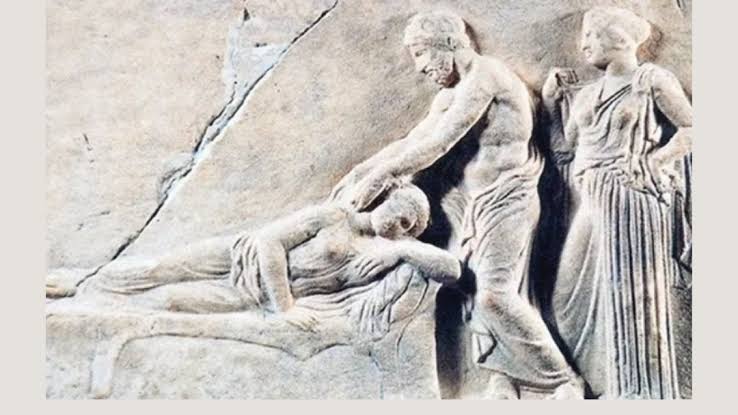
Ancient Greek physicians recognized the value of massage for athletes, soldiers, and individuals recovering from injury.
Hippocrates, often called the father of medicine, described therapeutic rubbing as a method of improving health and restoring function.
The Romans later expanded these ideas through public bathhouses, where massage became an important component of hygiene, recovery, and preventive healthcare.
These traditions influenced many Western massage techniques used today.
Benefits of Massage Therapy: Why People Instinctively Use Touch
One of the most fascinating aspects of massage therapy is that humans often use it instinctively.
When a person experiences pain, the natural reaction is frequently to touch, rub, or apply pressure to the affected area.
Why does this happen?
The answer may lie within human biology.
Pain Relief and Natural Healing
Massage stimulates sensory nerves that communicate with the brain and spinal cord.
This stimulation may help reduce pain perception through mechanisms described by the Gate Control Theory of Pain.
In simple terms, touch signals can compete with pain signals, reducing the sensation of discomfort.
This may explain why rubbing an injured elbow or massaging a sore muscle often provides immediate relief.
Stress Reduction and Emotional Well-Being
Massage therapy affects more than muscles.
Research suggests that massage may help:
- Reduce stress levels
- Improve relaxation
- Promote better sleep
- Enhance emotional well-being
- Support mental health
Many individuals report feeling calmer and more balanced after receiving massage therapy.
Improved Circulation and Recovery
Massage may support healthy blood flow and lymphatic circulation.
Improved circulation helps deliver oxygen and nutrients to tissues while assisting the removal of metabolic waste products.
This is one reason massage remains popular among athletes and physically active individuals.
The Science of Massage: What Modern Research Reveals
Modern healthcare increasingly recognizes that massage therapy produces measurable physiological effects.
Although scientists continue to investigate the exact mechanisms involved, several important systems appear to be influenced by therapeutic touch.
The Nervous System and Massage Therapy
One of the primary targets of massage therapy is the nervous system.
Massage may activate the parasympathetic nervous system, often referred to as the “rest and digest” system.
When this system becomes active, individuals may experience:
- Reduced heart rate
- Lower stress levels
- Improved relaxation
- Better sleep quality
This helps explain why massage often produces a feeling of calmness and recovery.
Fascia: The Hidden Network of the Human Body
Fascia is a continuous web of connective tissue that surrounds muscles, organs, nerves, and blood vessels.
Modern fascia research suggests that restrictions within this network may contribute to pain and movement limitations.
Many massage techniques aim to improve tissue mobility and reduce fascial restrictions.
As scientific understanding of fascia grows, researchers continue to explore its role in pain, posture, and movement.
Massage and Stress Hormones
Studies suggest that massage may influence stress-related hormones such as cortisol.
Lower cortisol levels are often associated with improved mood, reduced anxiety, and better overall well-being.
Researchers are also investigating the effects of massage on neurotransmitters and hormones associated with relaxation and social bonding.
History of Massage Therapy: Key Civilizations at a Glance
| Civilization | Massage Tradition | Main Purpose |
|---|---|---|
| India | Abhyanga, Marma Therapy | Preventive and therapeutic healthcare |
| China | Anmo, Tuina | Balance and circulation |
| Egypt | Therapeutic rubbing | Recovery and wellness |
| Greece | Athletic massage | Performance and rehabilitation |
| Rome | Bathhouse massage | Health maintenance |
| Thailand | Thai Massage | Flexibility and mobility |
| Japan | Shiatsu | Pressure-based therapy |
Questions Worth Thinking About
- Why do humans instinctively rub painful areas?
- Is massage primarily physical, psychological, or both?
- Can modern science fully explain ancient healing practices?
- Why has massage therapy survived while many ancient treatments disappeared?
- Could therapeutic touch be a fundamental biological need?
Conclusion: What the History and Science of Massage Therapy Teach Us
The history of massage therapy spans thousands of years and crosses nearly every major civilization in human history.
Although different cultures developed different theories and techniques, they shared a common observation: therapeutic touch can influence health and well-being.
Modern science increasingly supports this ancient insight. Research suggests that massage affects the nervous system, circulation, fascia, stress responses, and emotional health in ways that may contribute to recovery and overall wellness.
While many questions remain unanswered, the continued popularity of massage therapy is not simply a reflection of tradition. It reflects a practice that has repeatedly demonstrated value across cultures, generations, and healthcare systems.
Understanding the history of massage and the science of therapeutic touch provides a foundation for exploring more specialized systems, including Ayurvedic massage, traditional Chinese massage, sports massage, and other modern manual therapies.
References
- Charaka Samhita.
- Sushruta Samhita.
- Ashtanga Hridayam.
- Melzack R, Wall PD. Gate Control Theory of Pain.
- Field T. Massage Therapy Research Review.
- Weerapong P, Hume PA, Kolt GS. The Mechanisms of Massage and Effects on Performance.
- Schleip R. Fascia Research and Human Movement.
- Moyer CA, Rounds J, Hannum JW. Meta-analysis of Massage Therapy Research.